
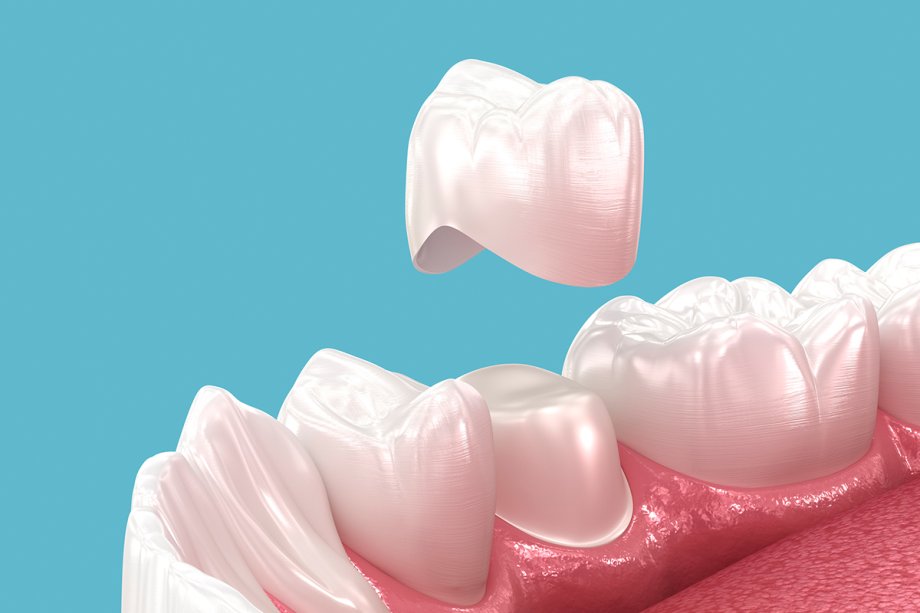
A dental crown provides a long-term solution for protecting a compromised tooth, but it will not last forever. Daily wear and tear from chewing, grinding, and changes in your bite can eventually wear down your crown. We meet many patients who feel unsure about their crown’s lifespan. You need to recognize the signs of a failing crown to prevent further damage, stop infection, and maintain your oral health.
Knowing what to watch for helps you take proactive steps. An old or damaged crown can harm the underlying tooth and the surrounding gum tissue. If you ignore these problems, you may need more complex and costly treatments later. Our goal is to give you the knowledge to identify problems early. Here, we highlight the five most common signs that show your dental crown may need evaluation and possible replacement.
1. You're Experiencing Pain or Discomfort
Pain offers one of the most evident signs that something may have gone wrong with your crown. Although the crown itself has no nerves, the tooth below certainly does. Discomfort can manifest in several ways, and you should not ignore it.
Sensitivity to Hot and Cold
When you suddenly feel a sharp pain while drinking hot coffee or eating ice cream, your crown may have a crack, sit loosely, or leak. These issues allow temperature changes to affect the sensitive dentin or the nerve of your tooth. A healthy, well-fitted crown insulates the tooth, so new sensitivity means you need to get it checked.
Pain When Biting Down
Biting down and feeling a sharp pain signals a severe warning. Cracks in your crown allow pressure to act directly on the tooth below. Decay under the crown can cause inflammation and tenderness. If your bite feels off or you notice pressure that causes soreness, the crown may be too high, leading to an improper bite. Any pain related to chewing means you should schedule a visit with us.
2. The Crown Is Visibly Damaged or Worn
Often, you can spot obvious signs of wear and tear by inspecting your crown. Crown materials vary in durability, but none stand up forever. Monitoring your crown's appearance is an easy way to check its condition.
Chips or Cracks
Porcelain crowns look great but can chip or fracture over time. When your tongue feels rough or has sharp edges, it may be damaged. Checking your crown in the mirror often reveals visible cracks or chips. Not only will a damaged crown feel uncomfortable, but it also gives bacteria places to hide, which raises your risk of decay in the tooth beneath.
Significant Wear
If you grind your teeth (bruxism) or clench your jaw, you might see your crown’s surface become flat or worn. Molars typically show the most wear. Wearing away the surface can change your bite, affect other teeth, and weaken the crown, increasing the likelihood of fracture.
3. A Dark Line Appears at Your Gum Line
Dark lines where your crown meets your gum line may create cosmetic concerns, especially with older crown types. The materials used in your crown often cause these lines.
Porcelain-Fused-to-Metal Crowns
Many older crowns use a porcelain-fused-to-metal (PFM) base. While this approach strengthens the crown, your gum line may recede over time, and the dark metal edge can appear. Although not always a structural problem, many find the dark line makes teeth look discolored or unhealthy. Modern, all-ceramic crowns solve this problem because they use a single, tooth-colored material.
Gum Recession
If your gums recede, they expose the tooth root, which has little to no enamel protection. This makes the root more sensitive and raises your risk for decay. Any time you see your gum pulling away from your crown, schedule an evaluation so we can check your gums and crowned tooth.
4. The Crown Feels Loose
Your dental crown should feel stable and secure, just like a natural tooth. Any movement, even slight, may indicate that the dental cement has failed or that the tooth under the crown has changed.
Why Crowns Become Loose
Crowns can become loose when the bond to your tooth wears down over time or when sticky foods tug on the restoration. Decay under the crown also weakens the tooth, eliminating the structure that keeps the crown in place. When your crown feels loose or shifts, bacteria can enter through the space, quickly causing decay or tooth nerve infection. Consider a loose crown a dental emergency and contact us right away.
5. Your Gums Around the Crown Are Swollen or Bleeding
Healthy gums look pink and firm. If the tissue around your crown feels red, swollen, or bleeds during brushing or flossing, you may have inflammation. Crowns can cause this problem in several ways.
Poor Fit and Plaque Buildup
A poorly fitting crown may create a ridge or margin where plaque and bacteria collect, making cleaning difficult. Over time, this can cause chronic gum irritation and develop into periodontitis, which can affect the bone supporting your tooth.
Allergic Reaction
Rarely, some people react to the metals in PFM crowns. Persistent irritation or inflammation around a specific crown, even with good hygiene, could point to the materials. Replacing the crown with an all-ceramic or zirconia version usually resolves the issue.
Taking the Next Step for Your Oral Health
Dental crowns offer a valuable investment in your oral health. You need them to function correctly to avoid future trouble. If you notice pain, visible damage, a dark gum line, looseness, or gum irritation around your crown, visit our office for an evaluation. Addressing these signs early protects your teeth and helps keep your smile healthy and attractive. Schedule regular dental check-ups with us so we can monitor your crowns and handle issues before they get worse.
Frequently Asked Questions About Crowns
How long should a dental crown last?
If you practice good oral hygiene and take care of your teeth, your dental crown usually lasts 10 to 15 years, sometimes even longer. The crown’s material, location in your mouth, bite, and habits such as grinding or chewing hard foods all play a role. Visit us regularly so we can help your crown last longer.
What happens if I don't replace a failing crown?
If you leave a failing crown in place, bacteria can leak beneath it and cause decay of the tooth below. This issue often leads to a severe toothache, infection, or abscess. When decay becomes too advanced, saving the tooth becomes impossible, requiring extraction and a more complex replacement, such as a bridge or dental implant.
We at Chagrin Falls Dental dedicate ourselves to providing exceptional dental care for families in Chagrin Falls and nearby communities. We combine modern technology and compassionate service to keep your smile healthy and beautiful. If you have concerns about your crown or any dental issue, please reach out to us to schedule an appointment.