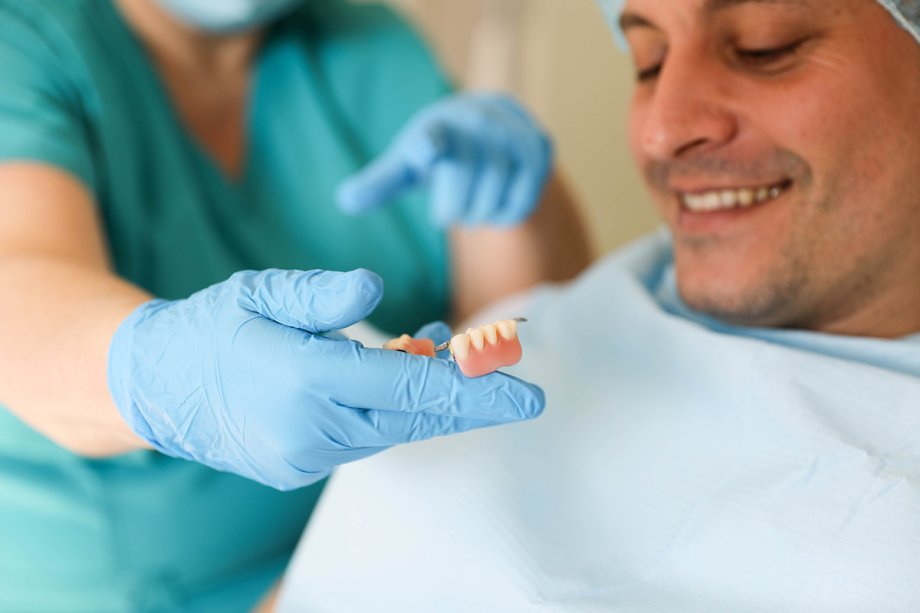
Getting used to life with a new dental appliance takes time, patience, and a willingness to adapt your daily routine. We understand that the transition affects how you eat, speak, and smile, but the most critical adjustment often revolves around hygiene. Proper maintenance ensures your appliance lasts longer and remains comfortable, while poor cleaning habits can lead to bad breath, gum irritation, and even infections. We emphasize that treating your prosthetic teeth with the same care you would give natural teeth remains essential for your overall oral health.
Our team at Chagrin Falls Dental often sees patients who unintentionally damage their appliances through improper handling or the use of harsh chemicals. We want to help you avoid these common pitfalls. By establishing a consistent and effective cleaning routine, you protect your investment and ensure your mouth stays healthy. We have compiled our best advice to help you navigate the specific requirements of denture care so you can smile with total confidence.
Mastering the Daily Cleaning Routine
Plaque and tartar accumulate on prosthetic teeth just as they do on natural ones. We advise every patient to brush their appliance at least once a day to remove food particles and prevent plaque buildup. You should remove the appliance from your mouth before you begin cleaning it. This allows you to reach every angle and surface effectively. We recommend rinsing off loose food particles under running water before applying your brush. This simple step clears away larger debris and makes the actual scrubbing process much more effective.
Choosing the Right Tools
We cannot stress enough the importance of using a brush specifically designed for cleaning oral appliances. Regular toothbrushes often have bristles that are too hard for the acrylic material used in prosthetics. Stiff bristles create microscopic scratches on the surface of the teeth and the pink base. These tiny scratches might seem insignificant at first, but they become breeding grounds for bacteria and plaque. We suggest using a soft-bristled brush or a designated denture brush to gently clean all surfaces, including the area that fits against your gums. You should use a mild hand soap or dishwashing liquid if you do not have a specific cleanser on hand. We strongly advise against using standard toothpaste, as most brands contain abrasives that will dull the finish of your appliance over time.
Caring for Your Gums
Your cleaning routine must extend beyond the appliance itself. We encourage you to gently brush your gums, tongue, and the roof of your mouth with a soft-bristled brush every morning before you insert your dentures. This stimulates circulation in your tissues and removes plaque that contributes to bad breath. We know that neglecting gum health can lead to denture stomatitis, a painful condition where the tissue beneath the appliance becomes red and inflamed. By keeping your soft tissues clean, you provide a healthy foundation for your smile.
Safe Handling and Storage Practices
Accidents happen, but we prefer to help you prevent them before they occur. Most damage to dental appliances happens when patients drop them during cleaning. The acrylic and metal materials are durable in your mouth but can be surprisingly fragile if they hit a hard surface like a porcelain sink or a tiled floor. We recommend standing over a folded towel or filling the sink with cool water before you begin your cleaning routine. This precaution provides a cushion that can save your appliance from cracking or breaking if it slips from your hands.
Keeping the Shape Intact
Your appliance needs to stay moist to maintain its shape. We instruct patients to place their appliance in a soaking solution or plain water whenever they are not wearing it. If the acrylic material dries out, it can warp, leading to a poor fit that causes sore spots and discomfort. We suggest making it a habit to soak them overnight. This practice serves two purposes: it keeps the material pliable and gives your gums a much-needed rest from the pressure of wearing the appliance all day. However, you must ensure the water is cool or lukewarm. Hot water causes the material to warp significantly, which may ruin the fit permanently and require a replacement.
Handling Metal Clasps
If you wear a partial appliance, you likely have metal clasps that secure it to your natural teeth. We urge you to handle these clasps with extreme care. You should never force the appliance into place by biting down on it. This action can bend the clasps or damage your natural teeth. We recommend using your fingers to gently press the appliance into its proper position. If you notice the fit feels loose or the clasps seem bent, please contact us immediately rather than trying to adjust them yourself. DIY adjustments often weaken the metal, leading to snaps that require professional repair.
Harmful Products and Habits to Avoid
We often see patients who believe that stronger cleaning agents result in a cleaner appliance, but this logic does not apply here. Many household cleaners and even some oral care products are far too harsh for the materials used in dental prosthetics. We warn against using any products containing bleach. Bleach weakens the structure of the acrylic and can discolor the pink portion of the appliance, making it look unnatural. It can also tarnish any metal components on partial frames.
The Danger of Whitening Products
We understand the desire for a bright, white smile, but whitening toothpastes are detrimental to prosthetic teeth. These pastes rely on abrasive particles to scrub stains off natural enamel. On acrylic, however, these abrasives scour the surface, removing the polished finish. Once the surface becomes rough, it attracts stains from coffee, tea, and food much more rapidly than a smooth surface would. This creates a cycle where the appliance looks dirty faster, prompting harder scrubbing, which causes more damage. We recommend professional cleaning at our office if you notice stubborn stains that your daily routine cannot remove.
Avoiding Sharp Tools
We strongly discourage the use of toothpicks or sharp dental scrapers to remove tartar buildup from your appliance. One slip can deeply scratch the material or damage the gum-colored base. If you develop hard tartar deposits that brushing does not remove, we have specialized equipment to clean them safely without harming the appliance. We believe that patience and the right chemical soaking agents are far superior to physical force when dealing with stubborn buildup.
Ensuring Longevity for Your Smile
Maintaining your oral health requires a partnership between your home care and our professional support. We advise you to continue scheduling regular checkups with us, even if you no longer have natural teeth. These visits allow us to examine your soft tissues for signs of oral cancer, infection, or irritation. We also check the fit of your appliance during these appointments. Your jawbone changes shape over time, which inevitably affects how your appliance sits. We can often perform a reline to improve the fit and extend the life of the prosthetic.
We want you to enjoy the confidence that comes with a clean, fresh, and secure smile. By following these guidelines, you minimize the risk of embarrassing odors and uncomfortable infections. We believe that a little effort each day pays off tremendously in comfort and longevity. Your smile serves as your greeting to the world, and we are here to help you keep it looking its absolute best.
Frequently Asked Questions About Dentures
How often should I soak my dentures in a cleaning solution?
We recommend soaking your appliance every single night. Soaking loosens plaque and tartar that brushing might miss and kills bacteria that cause bad breath. Most commercial soaking tablets are designed for daily use, but you should always follow the specific instructions on the package. If you run out of solution, soaking in plain cool water prevents the appliance from drying out and warping, though it won't provide the same sanitizing benefits as a cleanser.
Can I repair a crack in my dentures with super glue?
No, you should never use super glue or any other household adhesive to repair your appliance. These glues often contain chemicals that are toxic when placed in the mouth. Furthermore, super glue does not bond well with the acrylic material in a wet environment, meaning the repair will likely fail quickly. Using these glues can also dissolve the edges of the fracture, making it impossible for us to repair the appliance properly later. We urge you to bring broken appliances to us immediately for professional repair.
We are the dedicated team at Chagrin Falls Dental, committed to providing comprehensive and compassionate oral healthcare to families in Chagrin Falls, Ohio, and the surrounding communities. We combine advanced dental technology with a personalized approach to ensure every patient achieves optimal oral health. If you have questions about your dental care or need to schedule an appointment, please reach out to us.