
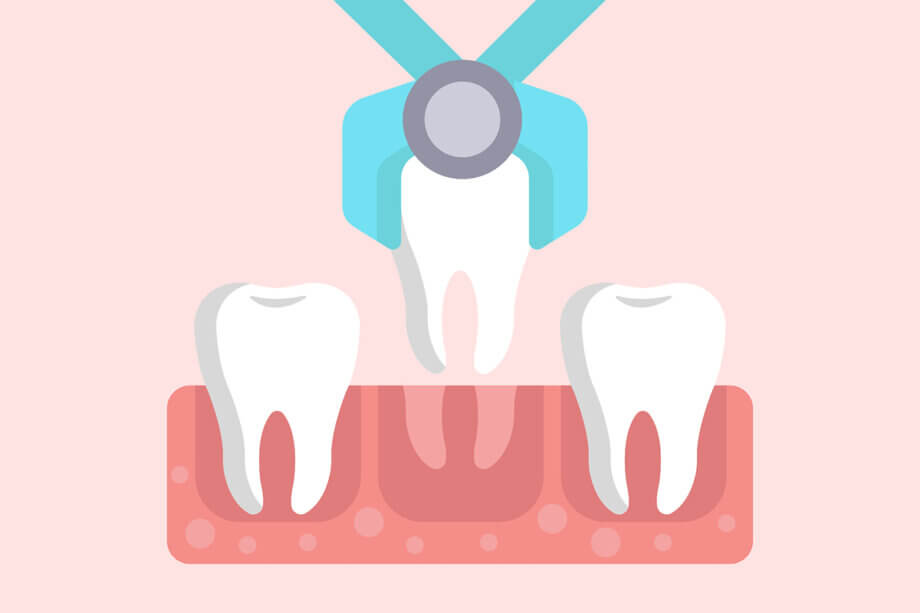
When you hear that you need a tooth pulled, questions and concerns probably flood your mind. You might wonder how the procedure works, what your recovery will look like, and whether the dentist plans to perform a routine pull or a more complex surgery. We clear up the confusion and help you feel completely comfortable before you sit in our dental chair. Dental professionals separate tooth removal into two main types: simple and surgical. The approach we use depends entirely on the condition, location, and visibility of your affected tooth.
At Chagrin Falls Dental, we provide both routine and surgical extractions and design our approach to protect your oral health. Understanding both procedures helps you prepare and stay informed about your treatment options. Let’s explore the key differences between simple and surgical removals and help you approach your upcoming dental visit with confidence and peace of mind.
Understanding Simple Extractions
A simple extraction means we remove a tooth that is fully visible above the gum line. We perform this straightforward procedure when a tooth has severe decay, trauma, or crowding, but still has enough healthy structure for us to grasp it. When the tooth sits above the gums and has straight roots, we do not make incisions to access it. We use standard dental instruments and steady pressure to detach the tooth safely from its socket.
The Ideal Candidates for Simple Removal
Most patients qualify for a simple removal when their problematic tooth fully erupts through the gums. We recommend this approach for severe cavities that brushing or fillings no longer fix. We also perform simple extractions to create space for orthodontic treatment when teeth overcrowd the mouth. When a tooth sustains a clean fracture above the gum line, we extract it using simple methods instead of surgery.
The Standard Simple Extraction Procedure
During a simple extraction, we apply a local anesthetic to numb the area around your tooth completely. Once the area feels numb, we use an elevator to loosen the tooth in its socket gently. Next, we grasp the crown of the tooth with dental forceps. We shift the tooth back and forth with steady, controlled pressure until the periodontal ligaments release it. The tooth slides out of the socket with minimal effort. We clean the area and place a sterile gauze pad over the space to stop any bleeding.
Uncovering Surgical Extractions
Surgical extractions require your doctor to address teeth that you cannot easily see or reach in the mouth. We use surgical techniques when a tooth breaks off at the gum line, fails to erupt completely, or has complex root structures that prevent a simple removal. Unlike a simple procedure, a surgical extraction means your doctor makes a precise incision in your gum tissue to access the hidden tooth. They may also remove some surrounding bone or section the tooth into smaller pieces to extract it safely without causing harm to your jawbone or nearby teeth.
When Patients Need Surgical Intervention
Your doctor typically performs surgical removals for impacted wisdom teeth. These third molars often remain trapped beneath the gums or grow in at awkward angles. If a badly decayed tooth crumbles during a simple extraction attempt, your dentist shifts to a surgical approach to remove it safely. Patients with unusually long, curved, or brittle roots need surgery because their teeth resist standard pulling techniques. Choosing a surgical method allows for the complete removal of tooth fragments and helps prevent future infections.
The Surgical Extraction Process
We make your comfort a top priority throughout every step of a surgical procedure. Depending on your case and comfort level, your doctor provides local anesthesia or nitrous oxide. After confirming that you feel completely numb, your dentist makes a small incision in your gum tissue to access the hidden tooth and any surrounding bone. Your dentist may use a specialized dental drill to carefully remove a small section of bone or divide the tooth into smaller pieces for safe extraction. Your dentist removes each piece, thoroughly cleans the site, and closes the gums with dissolvable stitches to support proper healing.
Comparing the Recovery Processes
Your recovery experience depends heavily on whether we complete a simple or surgical removal. Simple removals involve minimal tissue disruption, so your mouth heals quickly. Surgical removals often require a longer healing period because we alter gum tissue and sometimes bone during the process. We provide detailed aftercare instructions for both procedures to help you avoid complications like dry socket or infection. If you follow our guidance, your gums heal swiftly and safely.
Healing After a Simple Procedure
After a simple removal, most patients feel back to normal within a few days. We ask you to bite down on a gauze pad for the first few hours to encourage a solid blood clot to form in the socket. Stick to soft foods like yogurt, applesauce, and mashed potatoes for the first two days. Take over-the-counter pain relievers to manage any mild discomfort. Do not use straws, spit forcefully, or smoke, since these actions create suction that can dislodge your blood clot and delay your healing process.
Managing Surgical Extraction Recovery
Recovering from a surgical removal takes patience and extra care. You can expect mild to moderate swelling and bruising around your jaw for several days. We often prescribe stronger pain medications or specific anti-inflammatory drugs to keep you comfortable. Place an ice pack on the outside of your cheek during the first 24 hours to reduce facial swelling. Eat only soft foods for about a week and gently rinse your mouth with warm salt water starting the day after surgery. We closely monitor your healing progress and remove any non-dissolving stitches during a follow-up appointment.
Making the Right Choice for Your Smile
We never guess when it comes to your dental needs. We determine the type of extraction you need by thoroughly examining your mouth. We check the visible condition of your teeth, evaluate your gum health, and discuss any symptoms you experience. We always choose the least invasive method that still solves your dental issue completely. You can count on us to explain our findings so you understand exactly why we recommend each approach.
Diagnostic Imaging and Assessments
We use advanced dental X-rays and 3D imaging to examine everything beneath your gums. These images show us the exact length, shape, and position of your tooth roots. We also scan for hidden infections, bone loss, and each tooth’s proximity to major nerves or sinus cavities. With this detailed visual information, we quickly decide whether to proceed with a simple extraction or refer you for surgical intervention.
Personalized Treatment Planning
After we gather all necessary diagnostic information, we create a treatment plan tailored to your specific situation. We review your medical history to identify any conditions or medications that could affect your healing process. We talk through sedation options with you to make sure you feel completely relaxed during your visit. We explain each step of the planned procedure, answer all your questions, and provide clear instructions for your post-operative care at home.
Moving Forward with Your Dental Care
When you remove a problematic tooth, you take the first crucial step toward restoring your oral health. Whether you need a simple pull or a surgical procedure, you gain relief from pain and prevent further damage to your other teeth. Losing a tooth can feel intimidating, but modern dental techniques keep the process highly efficient and nearly painless. We guide you throughout your procedure and discuss your tooth-replacement options, such as dental implants or bridges, once your mouth has healed. When you act now, you protect your smile for years to come.
Frequently Asked Questions About Extractions
Does removing a tooth hurt?
You will not feel pain during the removal process because we use highly effective local anesthetics to completely numb your tooth and the surrounding gum tissue before we start. You may notice some dull pressure as we work, but you will not experience sharp pain. When the numbing medication wears off a few hours later, you might feel some soreness, but you can easily manage it with the pain relievers we recommend.
How long does the numbing last after an extraction?
Our local anesthesia numbs your mouth for two to four hours after we complete your procedure. This time can vary slightly depending on your metabolism and the amount of medication we use. Avoid eating hot foods or chewing hard items until your mouth regains full feeling. This precaution helps you avoid accidentally biting your tongue or burning your cheek.
We pride ourselves on delivering compassionate, high-quality dental care to families throughout our community. At Chagrin Falls Dental, we focus on making every visit as comfortable and stress-free as possible while helping you achieve a healthy, lasting smile. If you have concerns about a painful tooth or need to schedule an evaluation, please reach out to us today.